
The Hunt for Nostalgia
Some thoughts on "Peter Jackson's return" to Middle-earth

The news broke like a thunderclap in May of 2024: Peter Jackson was back! He had been rumored to have been returning ever since the spring of 2023, when Warner Bros. first announced that it would be making movies based around the Tolkien IP in order to retain the film rights, but this was official. “Peter Jackson Working on New ‘Lord of the Rings’ Films for Warner Bros., Targeting 2026 Debut” read the headline from The Hollywood Reporter early on May 9. The article itself contained more details. The original triumvirate of Jackson, Fran Walsh and Philippa Boyens would be involved in the creative process; two films are planned; Peter Jackson himself had counseled WB against making any “origin stories” for established characters such as Aragorn and Gandalf; and the first one is tentatively titled The Lord of the Rings: The Hunt for Gollum, with Andy Serkis, Gollum himself, directing and reprising his role. The news was met with what I would describe as “varying degrees of excitement” from the Tolkien fandom. Some people were over the moon that Peter Jackson himself was returning, notably Nerd of the Rings, The Broken Sword and Men of the West; on the other hand, other folks such as The Last Mallorn, Breanne Rogers, or Silmarillianne had decidedly mixed feelings, being quite confused as to why the Hunt for Gollum was going to be one of these movies as opposed to other stories, and concerned about the creative choices Peter Jackson had made which had crippled the Hobbit films and which might hurt this project. Not that much news followed for the rest of 2024; the Tolkien community mostly redirected its attention to Season 2 of Rings of Power, and WB itself remembered that it had an anime film, The War of the Rohirrim, to promote; the former project ended up being somewhat more critically and commercially successful than the latter (more on that later).
But bits and pieces trickled out. In September, Sir Ian told the BBC that he had no plans to retire from acting, and that included wanting to hang onto the role of Gandalf for as long as possible, saying “I'm not letting anyone else put on the pointy hat and beard if I can help it;” we will be returning to this as well a bit later. Later that year, in an interview with the aforementioned Nerd of the Rings during the promotion of War of the Rohirrim, Philippa confirmed that she and Fran had been in conversations with a “prominent Elf Lord” about returning for the movie; around this time, she also confirmed that contrary to some people’s fears (including mine), we would not be having The Hunt for Gollum split into two movies. At the For the Love of Fantasy convention in August 2025, which featured a full-court panel of multiple movie actors, Sir Ian confirmed that his wish was granted, and that he would return for The Hunt for Gollum, although he didn’t share many details about his roles. Then we got a couple of new goodies from Elijah Wood, whose return had been hinted at during said convention: in January he confirmed that there were plans for more movies after the two currently being planned, and in April he echoed Sir Ian’s sentiments about not wanting anyone else to take over the role of Frodo. In between these two, perhaps the biggest bombshell in the movie space went off, as in a late-night video message timed for Tolkien Reading Day1, Peter Jackson himself joined Stephen Colbert to announce what the planned second movie would be: a film focusing on chapters 3-8 of The Fellowship of the Ring, which Jackson himself had opted to not cover when he did the movies 26 years ago, co-written by Colbert (looking for a new project after the end of his Late Show, scheduled for May of this year), his son Peter McGee, and Philippa. Then, despite The Hunt for Gollum having been announced all the way back in 2024, it took until April for a pretty important actor’s status to be confirmed: Viggo Mortensen, who would not be returning. And finally, to wrap things up, another bombshell on April 14th: a complete introductory cast and a release date, which I’ll just show you all.
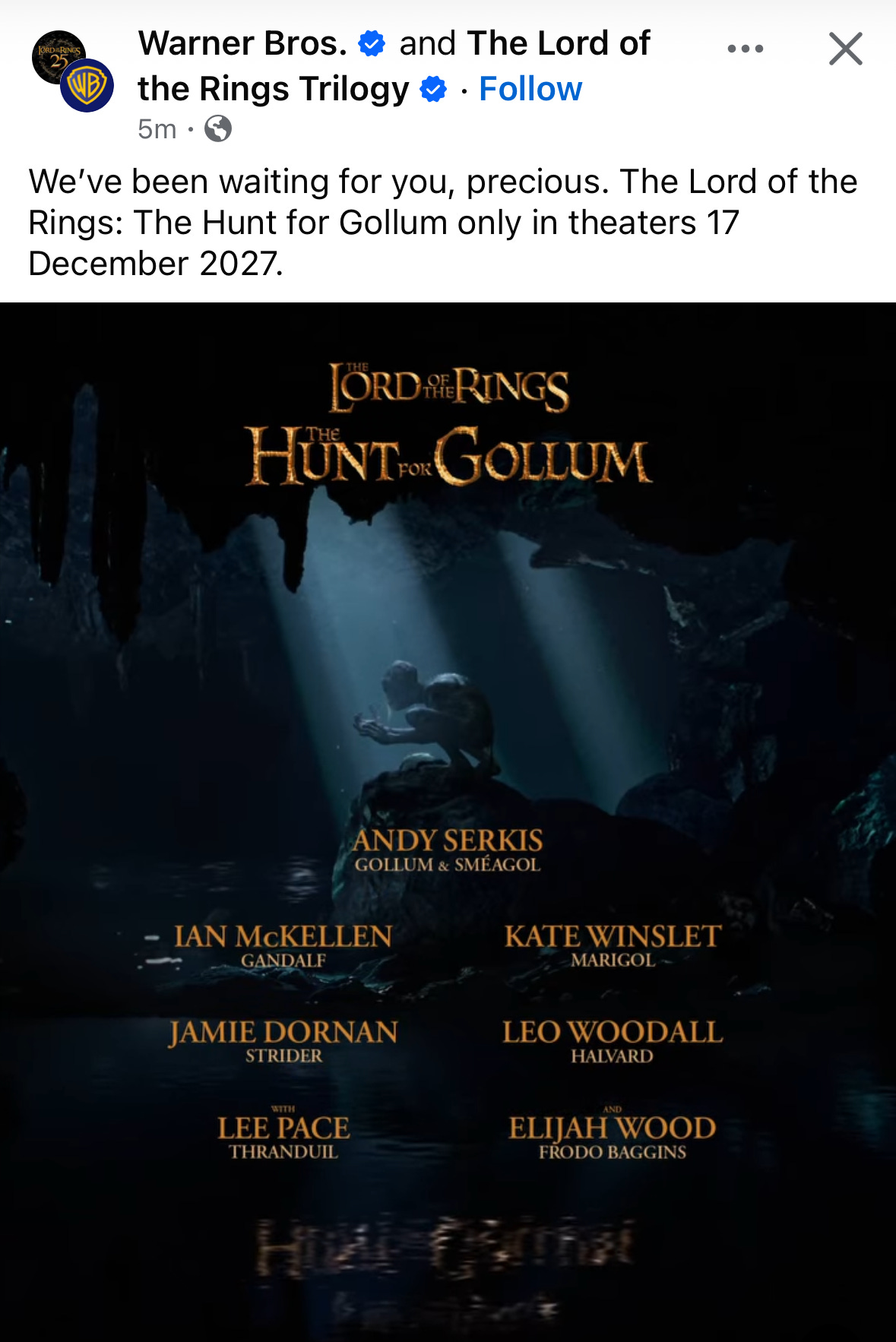
Thank you for sticking with me this far. Were you able to keep up with all that? I’m sure I missed a few of the less important pieces; I definitely glossed over the fact that veteran Kate Winslet and relative newcomer Leo Woodall joining The Hunt for Gollum was singled out as newsworthy, since we wouldn’t learn until the cast announcement who they would be, furious rumors to the contrary. The same goes for rumors that Anya Taylor-Joy had been cast, which at this point are just rumors; given her worldwide stature, I feel like she would have been in this cast announcement if she had been cast. At one point we had an official synopsis from…somewhere, I think it might have been from fansite Fellowship of Fans, but it was nothing we hadn’t known or guessed at before then. And there’s various and sundry comments from various cast and crew about “Being loyal to the professor’s vision” and “getting the old crew together”, et cetera, many of which appeared in Empire Magazine’s massive spread commemorating the 25th anniversary of the original movies. But I think I got the most important points. To sum up:
The Hunt for Gollum releases in theaters on December 17, 2027, and starts filming later this month, start date TBD; currently A Shadow of the Past is in its very infancy.
Hunt will be both an adaptation of those parts of The Fellowship of the Ring dealing with Gandalf and Strider hunting for Gollum and Gandalf learning the truth of Bilbo’s magic ring that he’d passed on to Frodo, and a “psychological study” of Smeagol’s character as the Ring warps him into Gollum (but never fully destroys Smeagol).
A Shadow of the Past will involve both a flashback to the part of the saga where Frodo, Sam, Merry, and Pippin first leave the Shire, encounter Elves and dodge Black Riders, have misadventures in the Old Forest and the Barrow-Downs, and meet the legendary and mysterious Tom Bombadil; and an original story set in the present day, as Sam, Merry, and Pippin return to their old adventure grounds while Sam’s daughter Elanor uncovers a terrifying secret from the past.
Many prominent names from both behind and in front of the camera are coming back, but a few are not. Most notably, Peter Jackson himself is not directing either of these films; meanwhile, the role of Strider is being taken over by Jamie Dornan.
By now, you have probably heard a whole variety of thoughts about these two movies, ranging from slavering positivity to apocalyptic negativity; I certainly have. You can probably find them all if you look on Google. But I don’t think that’s why you’re here. What do I think about this news? Well…many things, to be honest. I am not a rabid hater, let’s make that clear. To act like that would be a betrayal of all I stand for and have written about for “The Tales That Really Matter.” Lord knows, we have enough rabid hate surrounding Rings of Power which has had deleterious consequences for how the show is perceived; many of the comments on various posts on Facebook or Threads show me that such hate is still all too virulent even as the show’s quality speaks for itself and gathers steam and goodwill. But I am just a little disappointed, very confused, and not quite as excited as some of my peers and colleagues in the community even if ultimately I will refrain from any premature final judgements. I’m also a bit frustrated and yes, angry; for the most part not at PJ and Co. (although I’m not exactly warm and fuzzy towards a few people on that list, especially not Sir Ian or Stephen Colbert) but at a lot of the discourse that arose when Hunt for Gollum was first announced, and is still going strong. But, as Aragorn told a young defender of Helm’s Deep, “There is always hope.” I am not entirely devoid of hope, even if I’m trying to manage expectations.
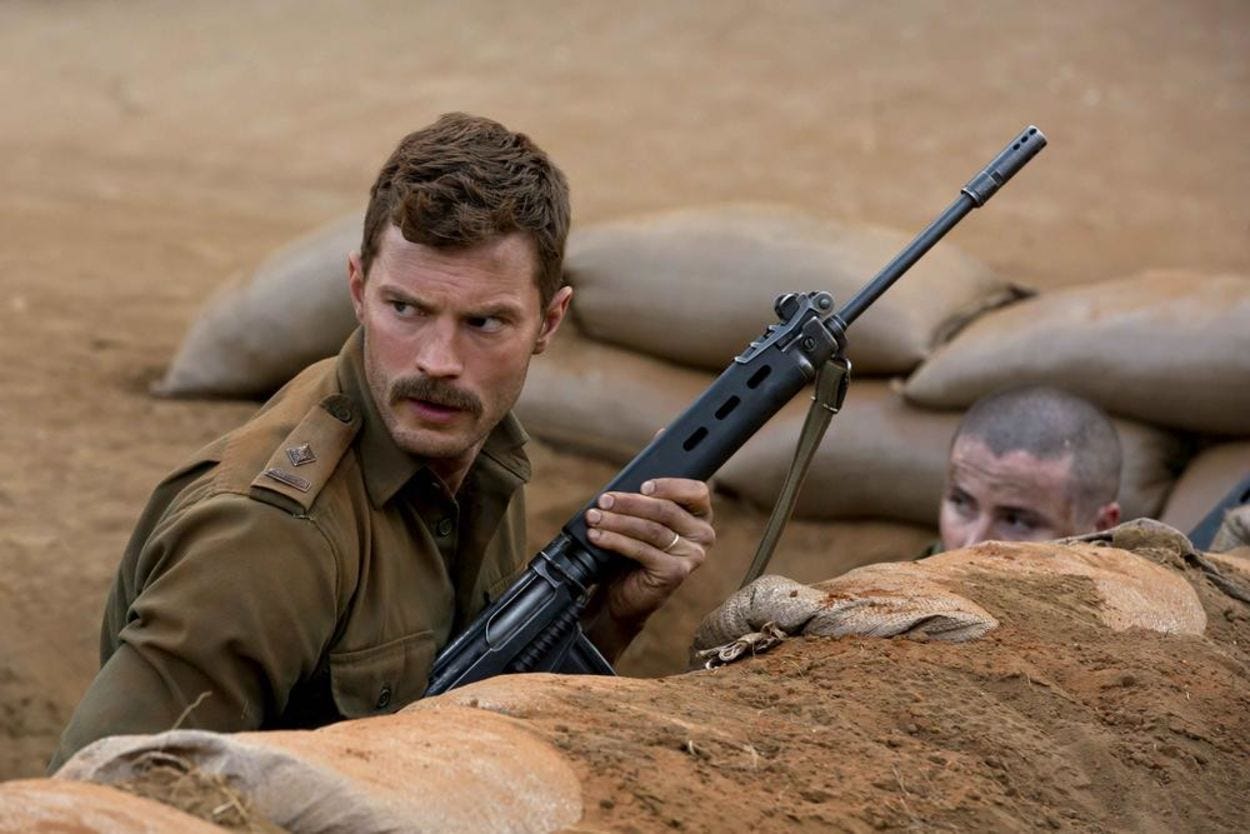
Let’s try and start on a positive note. And since this is my essay, we’ll go with what I like the most about all this news: both that Viggo will not be returning to the role of Stider, and that Jamie Dornan will be taking over for him. Put simply, at 67 years old, Viggo is simply too old to play a younger version of the Ranger we first meet in the common room of The Prancing Pony. This distinction is crucial; he’s not too old to be Aragorn, but he is too old to play Strider, both in looks and in the physicality that the role will most likely demand of him. The latter could be fixed with a stunt double, the original trilogy certainly did plenty of that; the former, unfortunately, could only be fixed with extensive CGI and probable AI assistance, and although we’ve made great progress since Rogue One in 2016, contemporary films like Indiana Jones and the Dial of Destiny show it is still a very imperfect process. So not only is it right and proper for the role to pass to a younger actor, it is also a relief that Viggo himself is apparently at peace with passing the torch, a sentiment I wish more people had. And there’s one more factor that I think we should remember. By this point, Aragorn has become as much a part of the canon of Western Literature as Achilles, Jesus2, King Arthur, Hamlet, Elizabeth Bennet, Superman, or Paul Atreides; as such, he is more than capable of being capably and wonderfully portrayed by a wide range of actors, and if we insist on locking ourselves into just one actor’s interpretation, we’re unfair to anyone else taking a deserved shot at bringing this character to life.
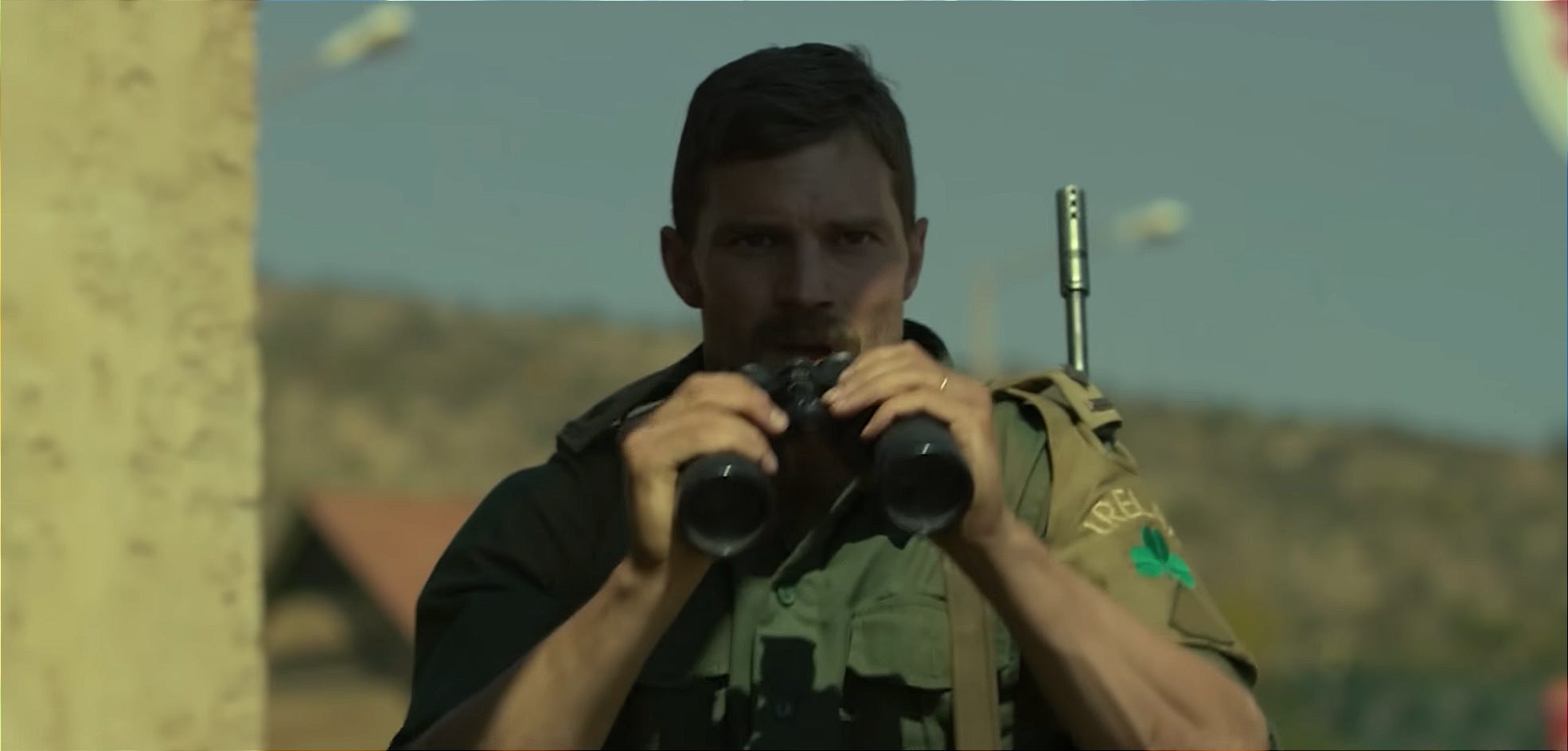
Regarding Viggo’s replacement, I warmed to the idea of Jamie Dornan taking over almost immediately. I haven’t seen much of his work, and certainly not his most infamous role in the 50 Shades trilogy, but I have seen him as Colonel Patrick Quinlan in Netflix’s excellent 2016 war movie The Siege of Jadotville. There, Dornan’s Quinlan is in command of 150 Irish UN peacekeepers on a dangerous mission to the Katanga province of the Congo, which escalates into a major battle with 4,000 African and white mercenaries; in a four-day siege the Irish under Quinlan’s inspired leadership hold their ground, inflict 300-1000 casualties, and suffer not a man killed before they finally have to surrender. It’s quite a good movie about a heroic if still somewhat unknown story, and Dornan is excellent as Quinlan: fearless, calm, clinical, and compassionate. The historical Quinlan’s son had no complaints about Dornan, and I think a great many of the qualities that Dornan gave Quinlan will translate quite nicely to the role of Strider. So while most people are more excited about other people returning, such as Sir Ian or Lee Pace, I am most excited for what Jamie will bring to the role of Strider. After all, with all due respect to Cate Blanchett and Hugo Weaving, both Morfydd Clark and Robert Aramayo have ended up completely taking over the roles of Galadriel and Elrond; even if that doesn’t end up happening here, I’m looking forward to what Jamie will show us; he may even end up bettering Viggo’s performance. And honestly, thank God Leo Woodall isn’t taking on the role. Nothing against the guy, I didn’t even know he existed until he was rumored to be joining the cast, but he’s got the opposite problem as bringing back Viggo: he’s too young and too baby-faced to play Aragorn before we meet him at the Pony. If this movie had been an “Aragorn origin story” concerning his first meeting with Arwen, his new friendship with Gandalf, and his adventures in Rhun and Harad and as a soldier for Rohan and Gondor, then Leo would have been perfect; but it’s not, and he isn’t, so that’s that. Last but not least, Viggo himself has given Jamie his blessing, according to Andy Serkis in a recent podcast interview.
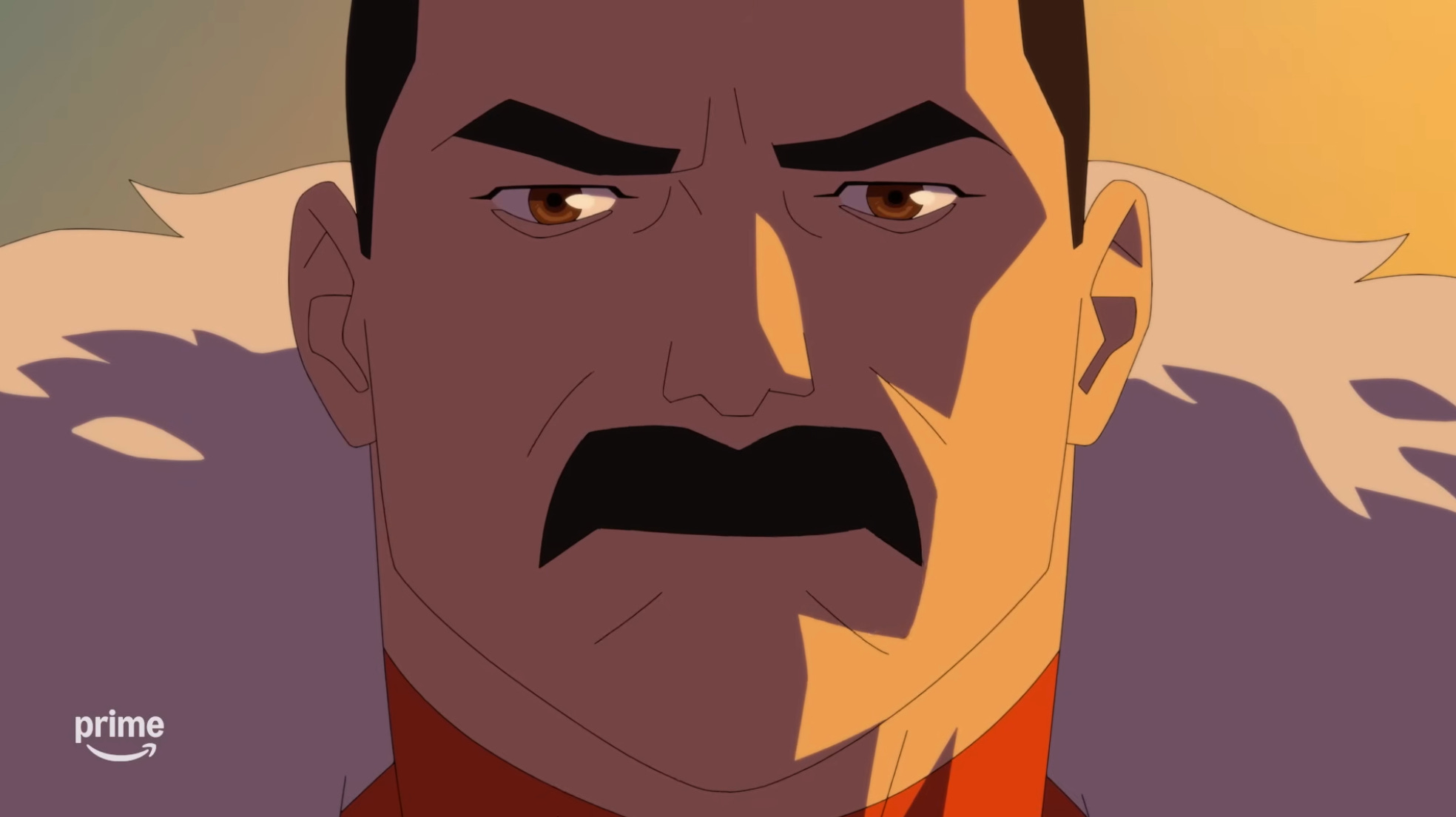
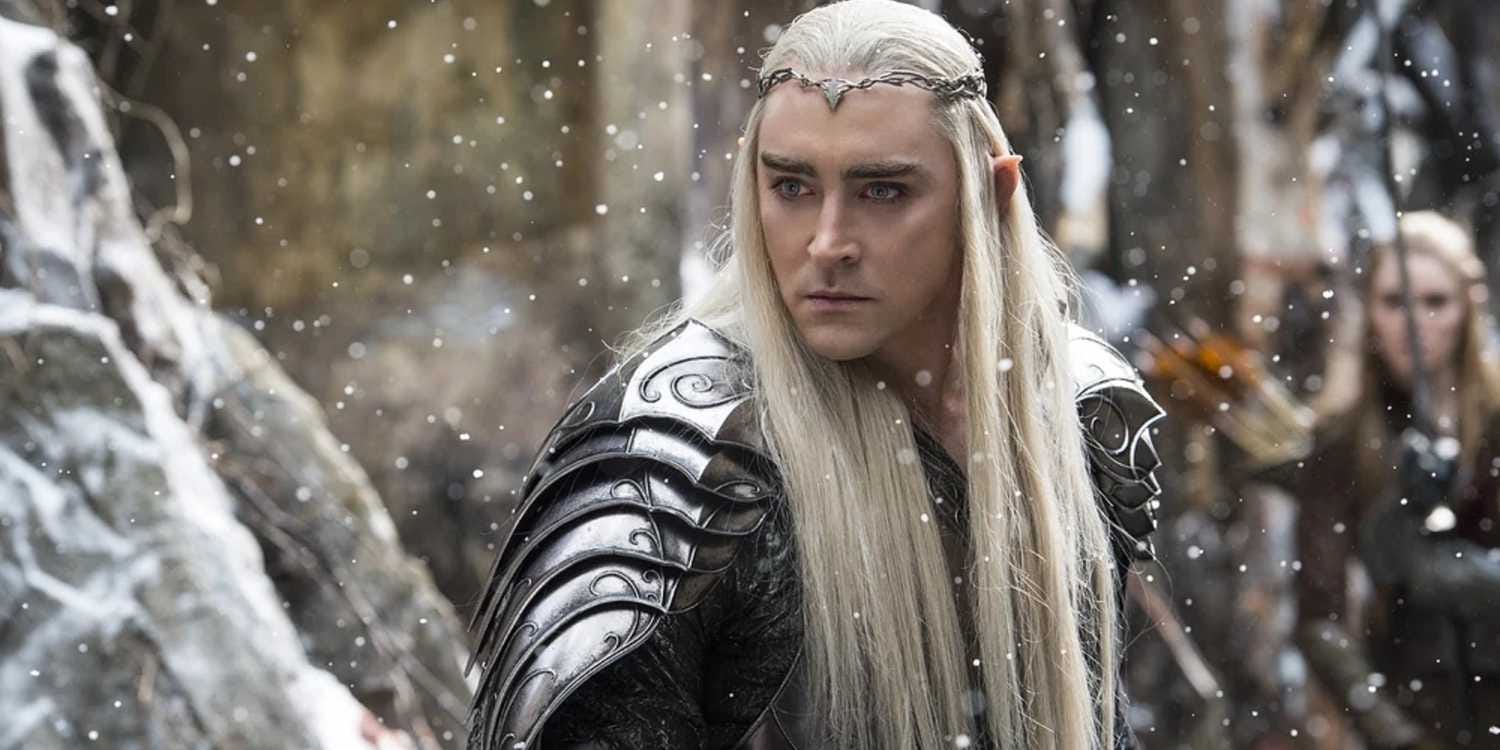
There are some other things to be excited about with both these movies, mostly concerning the talent behind and in front of the camera. Although the text of the cast announcement, “With Lee Pace as Thranduil,” tells me that he’s most likely going to be a cameo towards the end as Gandalf and Aragorn need somewhere to deposit Gollum after finding him, his return is still welcome. Writing choices aside, Lee’s Thranduil had, as the kids say, undeniable “aura” and “drip.” He was one of the best parts of the Hobbit movies, and is a fine actor with gravitas and dignity, as we’ve seen and heard in his more recent roles as Brother Day and Grand Regent Thragg (honestly, those are probably two of the big reasons why he’ll most likely be a cameo, in addition to the constraints of the story). Kate Winslet is another fine actress, with one Oscar, five BAFTAs, two Emmys, and five Golden Globes over the course of her career. Assuming “Marigol” is confirmation of rumors that she’ll be playing Smeagol’s grandmother and the leader of his community3, it’ll definitely be a somewhat different role than what she typically plays, but with her skill she should be up to the challenge, and I never want to typecast; if we did that, then Morfydd Clark would never have earned her rightful place as Galadriel.4 And although it’s been 26 years since Gollum pioneered the idea of a motion-capture performance, Andy Serkis’s frequent narrations of Tolkien audiobooks show that he has lost none of his vocal step, and his return for the “Riddles in the Dark” scene from the first Hobbit movie was one of the highlights. And I would be remiss in not mentioning how so many of the creatives, especially the kind of unsung heroines Fran and Philippa, have internalized Tolkien to such a great degree after he has been part of their world for so long; it also doesn’t hurt that Philippa’s stated reason for not watching Rings of Power is actually pretty legitimate and far better than many haterz, namely that she is working on her own Middle-earth projects, wants to use her own voice, but still wishes the show well and may watch it one day. And this goes for Stephen Colbert as well, who has been famous for years as one of the biggest Tolkien geeks in the entertainment industry, with interviews with the movies’ cast as staples of his show through the years; he’s also a practicing, if occasionally dissenting, Catholic, and as the faithful Morman JD Payne has illustrated with Rings of Power, having an active personal faith is an asset when dealing with the “fundamentally religious and Catholic”5 world of Tolkien.
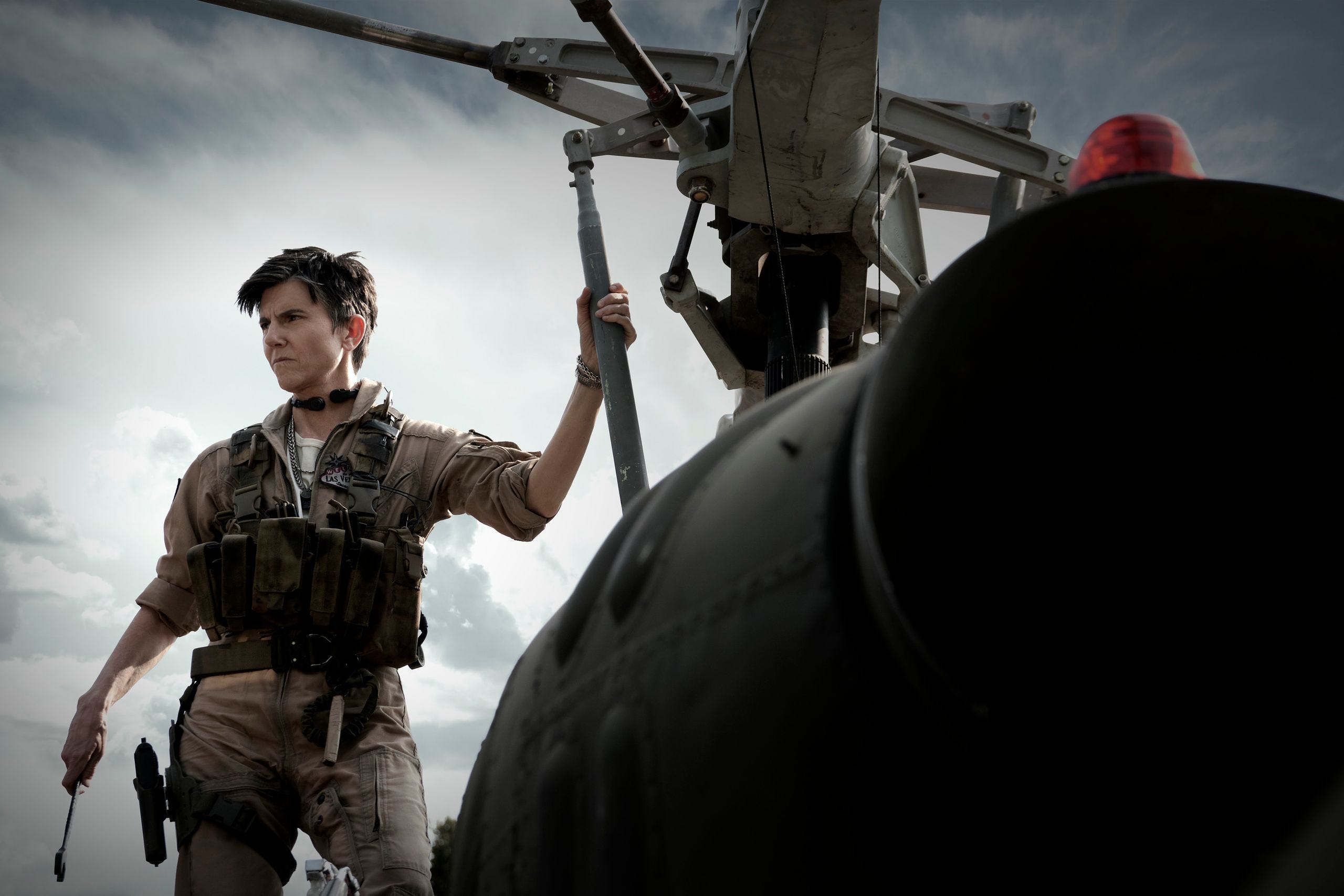
Unfortunately, the talent behind and in front of the camera is also where my problems with these movies start. And a good place to start with that is where I ended the last paragraph: Stephen Colbert. He may be a huge Tolkien geek (although he apparently can’t pronounce “Earendil” to save his life), and he’s had quite a successful late night comedy show these past 10 years, for which he had nearly total creative control…but how many movies has he written? The answer is not encouraging: one, a really obscure 2006 comedy called Strangers with Candy, a “reunion special” for a show that ran for one season. He hasn’t written or co-written anything nearly at the level of the big event movie that WB is hoping for. By comparison, Rings of Power’s showrunners JD Payne and Patrick McCay at least had written multiple whole screenplays for both movies and TV shows; it’s a big part of how Amazon chose their names to helm its new show. Thankfully Colbert will not be writing this movie alone, but including him in the first place as one of only three writers still feels like a huge risk for the sake of a gimmick. Another gimmick is having Andy Serkis direct The Hunt for Gollum in addition to reprising his role as Gollum. Unlike Colbert, Serkis has experience in the job he’s been given, serving as both a Second Unit Director for all three Hobbit movies and a director for four of his own. But being an SUD is essentially an “Assistant to the Regional Manager” scenario; most of the footage Serkis would have overseen would have been squarely subordinate and supplementary to what Jackson shot. And as for Serkis himself, of his four movies, the only one that even comes close to the scale and scope of a major franchise film is Venom: Let There Be Carnage…and that movie’s critical reception is not exactly a glowing endorsement. Neither, for that matter, is the critical response for his most recent foray into adapting literature, since the consensus towards Animal Farm is that he not only missed the point of George Orwell’s book, but made a completely different one instead.
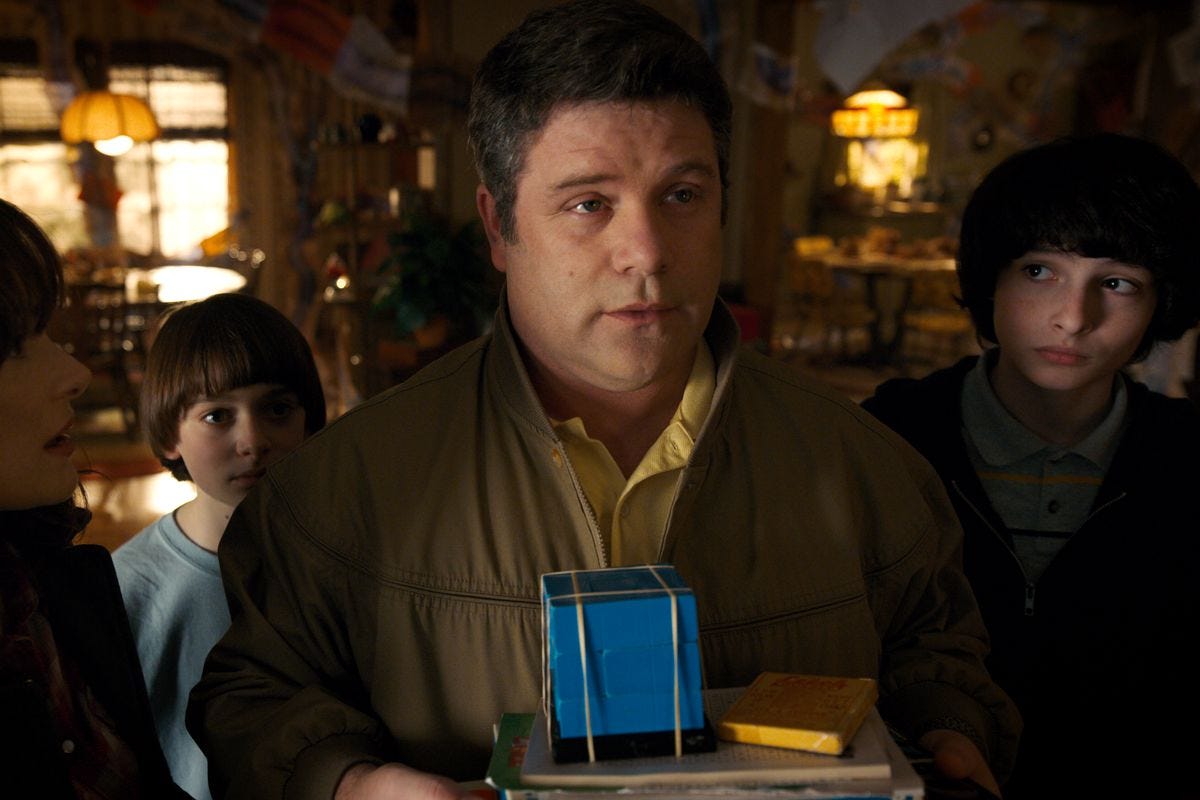
And it’s not all sunshine and rainbows in front of the camera either. Setting aside for later questions about why Frodo is in a movie about the hunt for Gollum, Elijah Wood has aged noticeably in the 26 years since Fellowship, and even in the 14 years since he cameoed at the beginning of An Unexpected Journey; not as badly as some other veterans like Viggo or Orlando Bloom, but he would still need at least some substantial makeup or AI to look even somewhat like he did around the time of Fellowship. And this is going to become an even bigger problem for A Shadow of the Past. Now, since that movie is at least partially set 14 years after the Ringbearers depart the Grey Havens for the Uttermost West, Sean Austin, Dom Monaghan, and Billy Boyd could probably play Sam, Merry, and Pippin at this stage in their lives with fairly little difficulty. Even Sean, who looks more like Bob Newby than Sam these days; after all, Sam was elected Mayor of the Shire for seven consecutive terms, and in a peaceful role in a peaceful land in a time of peace, he probably did gain a few pounds. But what about the storyline set during the same time as the original movies? There is no way on earth that Bob Newby can look like the faithful gardener and watchdog that we met 26 years ago, and neither can Eljiah, Dom, and Billy; and if their roles are going to be any more than cameos in the “past” storyline, no amount of makeup or CGI is going to be able to cover that up. There is a simple solution: recast them for that storyline with younger actors, just like The Hunt for Gollum did with Strider. But we’re talking about a studio that practically dug up Christopher Lee’s corpse for just a few lines of dialogue at the very end of War of the Rohirrim, when a perfectly useable Charles Dance was right there6. Let’s be honest, while casting Jamie as Strider is absolutely a good move, the only reason we’re not getting a horrendous digitally de-aged Viggo is because he himself said no. Unless the hobbit actors themselves push back (and given Elijah’s comments, I’m not sure they would), I’d bet we’ll end up with horrendous digitally de-aged Elijah, Sean, Dom, and Billy, for however much of the movie the earlier storyline takes up. But perhaps the biggest red flag for me is Sir Ian returning as Gandalf. To be sure, he doesn’t look that different than he did when he was playing the role earlier this century; there is a point when people stop aging, at least in their looks. But that doesn’t mean people stop aging, and time is starting to catch up to Sir Ian. When he unexpectedly fell off the stage during a play in London in June of ‘24, it made the news throughout the Three Kingdoms, and owing to his status it soon made its way across the world. More recently, when a movie of his premiered at the Toronto Film Festival in September of last year, he…did not attend, on the advice of his doctors. And yet we are expecting him to go to the far side of the world for a shoot lasting anywhere from 2 to 4 months? To be fair, he’s game for it, and I respect his gumption. But I am very concerned that the scene from Dungeons and Dragons: Honor Among Thieves where the party awakens a bunch of corpses to ask them a few questions is going to end up being prophetic.
Sir Ian’s attitude towards Gandalf speaks of an even deeper problem with both Hunt for Gollum and A Shadow of the Past, something that smells really rotten at its very core and thus gives me a bad taste in my mouth on “moral” grounds. “I’m not letting anyone else put on the pointy hat and beard if I can help it.” So he said in September of ‘24. What did he think, then, a month later when the season 2 finale of Rings of Power finally confirmed a suspicion long held, that Daniel Weyman’s mysterious “Stranger” was in fact Olorin, i.e. Gandalf in his Second Age manifestation? Sure, he doesn’t have said “pointy hat” just yet; but he absolutely has the beard, he has a grey robe, and at least for now he’s calling himself “Gandalf.” Will Sir Ian ever be willing to sit down and have a conversation with Daniel about their sharing this iconic character? Will he ever show solidarity to his “brother in Tolkien,” the way Viggo probably will for Jamie Dornan, or the way Orlando Bloom did for Ismael Cruz Cordova when the latter was under a great deal of racist attack? Or will he take after WB and David Zaslov and others in that organization’s hierarchy and be really offended and passive-aggressive about sharing Tolkien with somebody else?
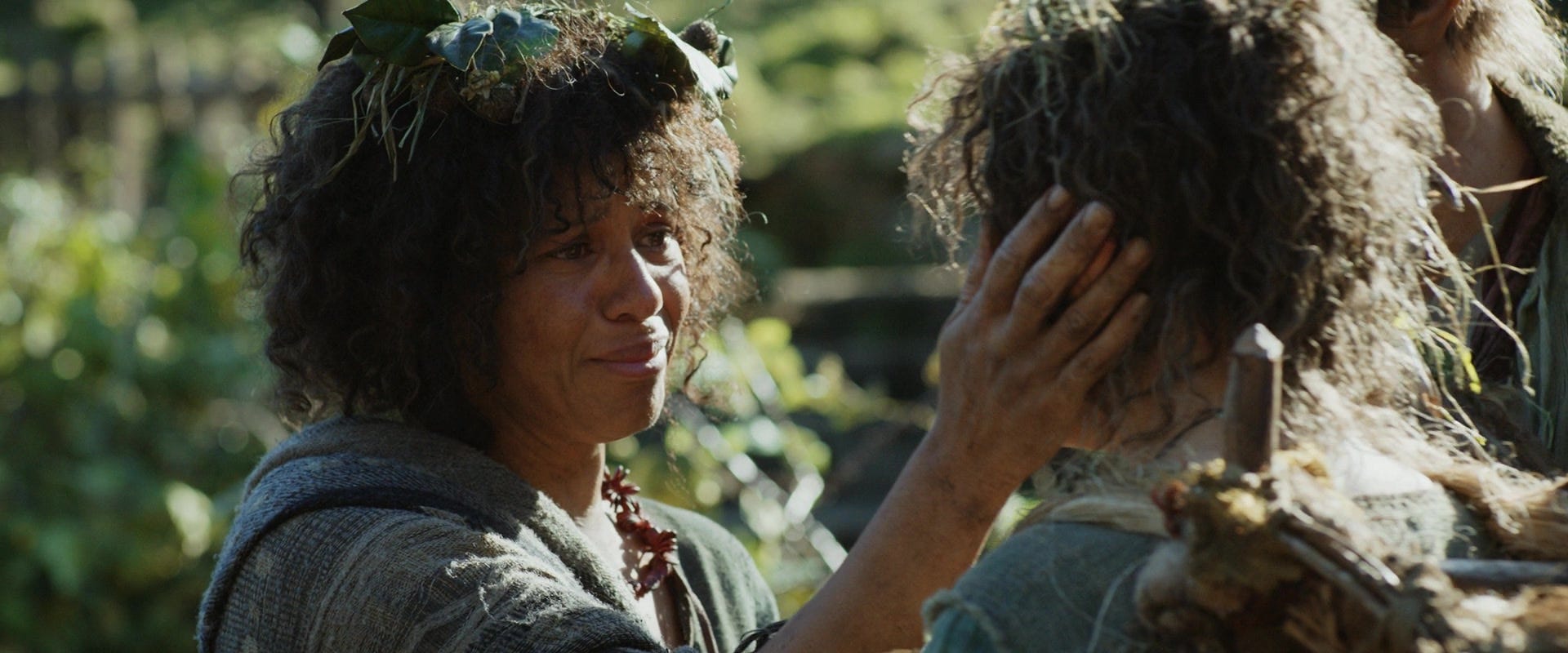
I sincerely believe that this is a symptom of the “deeper problem” I mentioned: Warner Bros.’ jealousy that Amazon beat them out for the TV rights to Tolkien so long ago, and has been doing everything it can to undermine the success of Rings of Power. It started with how WB first announced War of the Rohirrim in February of 2022, ie within a week of the first photos from RoP appearing in Vanity Fair and the first teaser at the Superbowl that year; it continued with House of the Dragon Season 1 deliberately premiering just three weeks before Season 1 of RoP; and it hasn’t really stopped since then.7 War of the Rohirrim has offered many examples of this, actually, which I’ll get into when I eventually get around to finally watching that movie myself, but that doesn’t mean Hunt for Gollum or A Shadow of the Past are immune from this. I distinctly remember at least two interviews where Andy Serkis, talking about his movie, stressed how he and Peter Jackson were striving so hard to be faithful to Tolkien’s spirit…which, given how often the unfair charge of not being so faithful has been leveled against Rings of Power, feels like a real dog-whistle. And even within the rather limited confines of what we know about those movies so far, it gets worse. Kate Winslet’s character is apparently going to be named “Marigol.” That name sounds oddly familiar…probably because once you add a D to the end of it, it’s the name of the wonderfully kind and maternal Harfoot lady played by Sara Zwangobani in Season 1 of RoP. Either Fran, Philippa, and their co-writers Phoebe Gittins and Arty Papageorgiou somehow completely missed the similarity, in which case that was some really sloppy work; or they didn’t, and are somehow trying to mine what is according to some people the worst part of Rings of Power, the Harfoot storyline (it’s actually not, of course).
And on the subject of writing; in the announcement video for A Shadow of the Past, (which, by the way, is the title for the RoP Season 1 pilot) Colbert mentions that he first got the idea to tell a story involving the Barrow-wights and Tom Bombadil “a couple of years ago.” Depending on how literal he is being, does that mean he got the idea in 2024…ie when RoP first demonstrated, in triumphant fashion, that committing this mysterious character to film can work, and work beautifully? Maybe Colbert did get the idea all on his own, but I’m going to be honest…I am not so sure. After all, as one of the world’s leading Tolkien geeks, he hosted the SDCC panel for Rings of Power’s first season in 2022, and a month later interviewed Morfydd Clark herself on his show…but after that, he’s been silent as a tomb regarding this legitimate and serious Tolkien adaptation. It’s not like he’s some Youtuber like Jess of the Shire or Nerd of the Rings, who needs specifically Tolkien-themed ad revenue from all types including RoP haterz and thus has to remember who butters his toast.8 Was he ever really engaging with the cast and crew of RoP in good faith? And if not, can we really trust him with writing a Tolkien movie, even if he’s only one of three writers? I don’t really care that he “knows more about Tolkien than anyone alive” as I heard so often when the news first broke. For one thing, he doesn’t; I can think of a whole bunch of people who know at least as much as him, and probably more.9 For another, to follow the example of Hunt for Gollum and borrow something from the Harfoot storyline, if he doesn’t have “heart-sense”, can we trust him to approach this project with common sense?
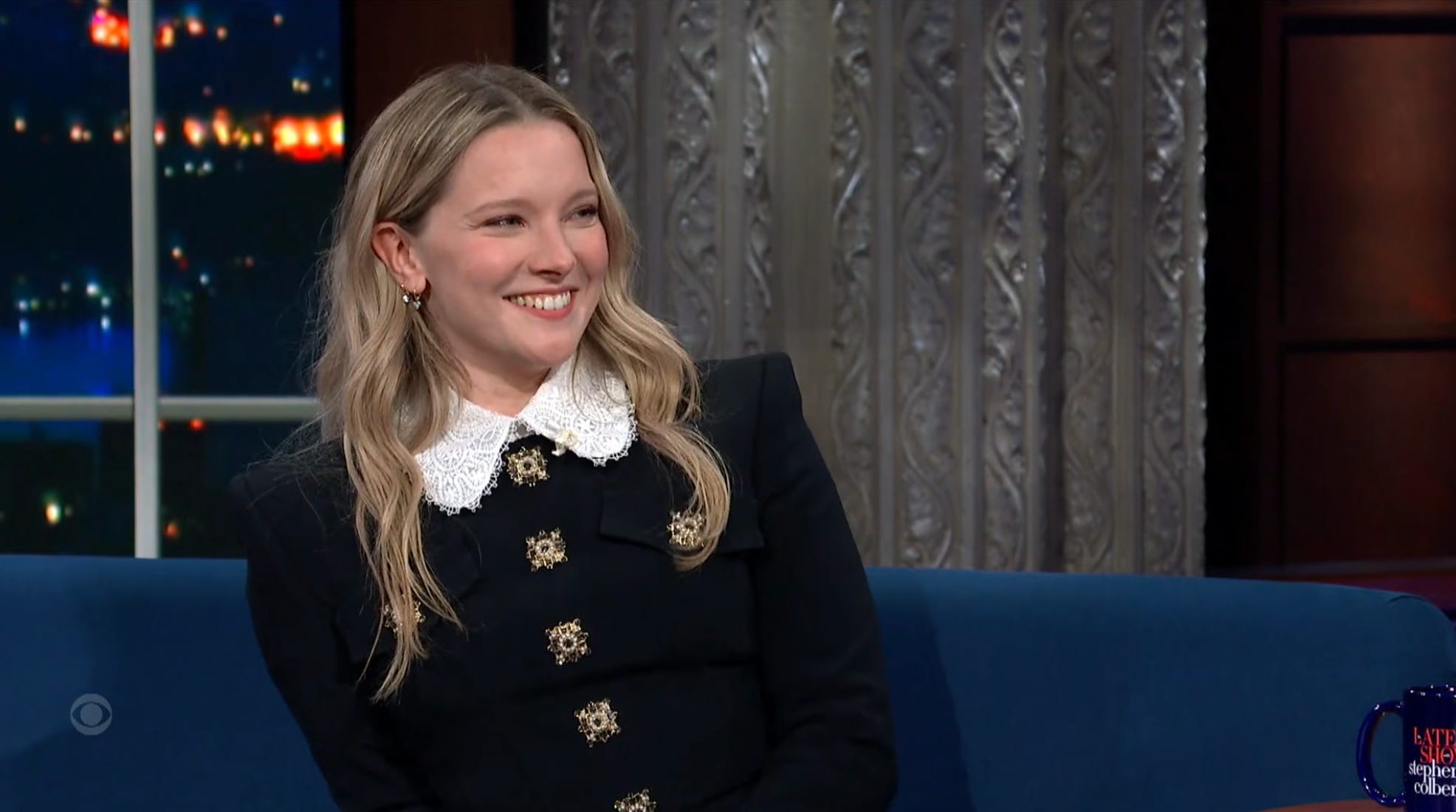
This is probably my “ickiest” problem with WB’s upcoming movies. The creative team can’t very well change the attitude too many fans have towards these projects or towards Rings of Power, be it the absurd Stilgar-type idolization that too many people have towards the idea that Peter Jackson is returning (he really isn’t; while he’ll definitely have some say, Serkis, Fran, Philippa, the other two Hunt writers, Colbert, and whomever is chosen to direct Shadow are the ones really calling the shots), the rose-colored glasses they see both the original movies and even the Hobbit films through (even though the latter films are a big part of why the Tolkien Estate didn’t want Jackson anywhere near a prospective TV show), or the blinding hatred many of them feel towards Rings of Power. Or the jealousy and passive aggression towards the show held by their bosses, David Zaslov and his cronies; it’s just a theory on my part, but I think there’s a lot of circumstantial evidence that points towards that conclusion. But for the love of God, they could do a much better job at taking a stand against at least the former, and at a minimum not aiding and abetting the latter. PJ and Co.’s star might have fallen a bit as a result of the Hobbit movies, but they still hold massive sway over WB’s conception of this IP; the whole reason we are not getting a young Aragorn movie is because PJ advised against it. If more people than just Philippa had spoken out in favor of just letting RoP doing its own thing, I can’t help but feel that the discourse that so bothers me would have been very different, and wouldn’t bother me so.
But in a way, there’s an even bigger question, one that’s at the very foundation of these projects themselves, never mind the people behind them and drooling over them:
Why? Sure, we know why these movies are happening; WB needs to put out some projects otherwise they might lose the rights, and God forbid Amazon or some other studio snap them up. But why these movies, or more specifically, these stories?
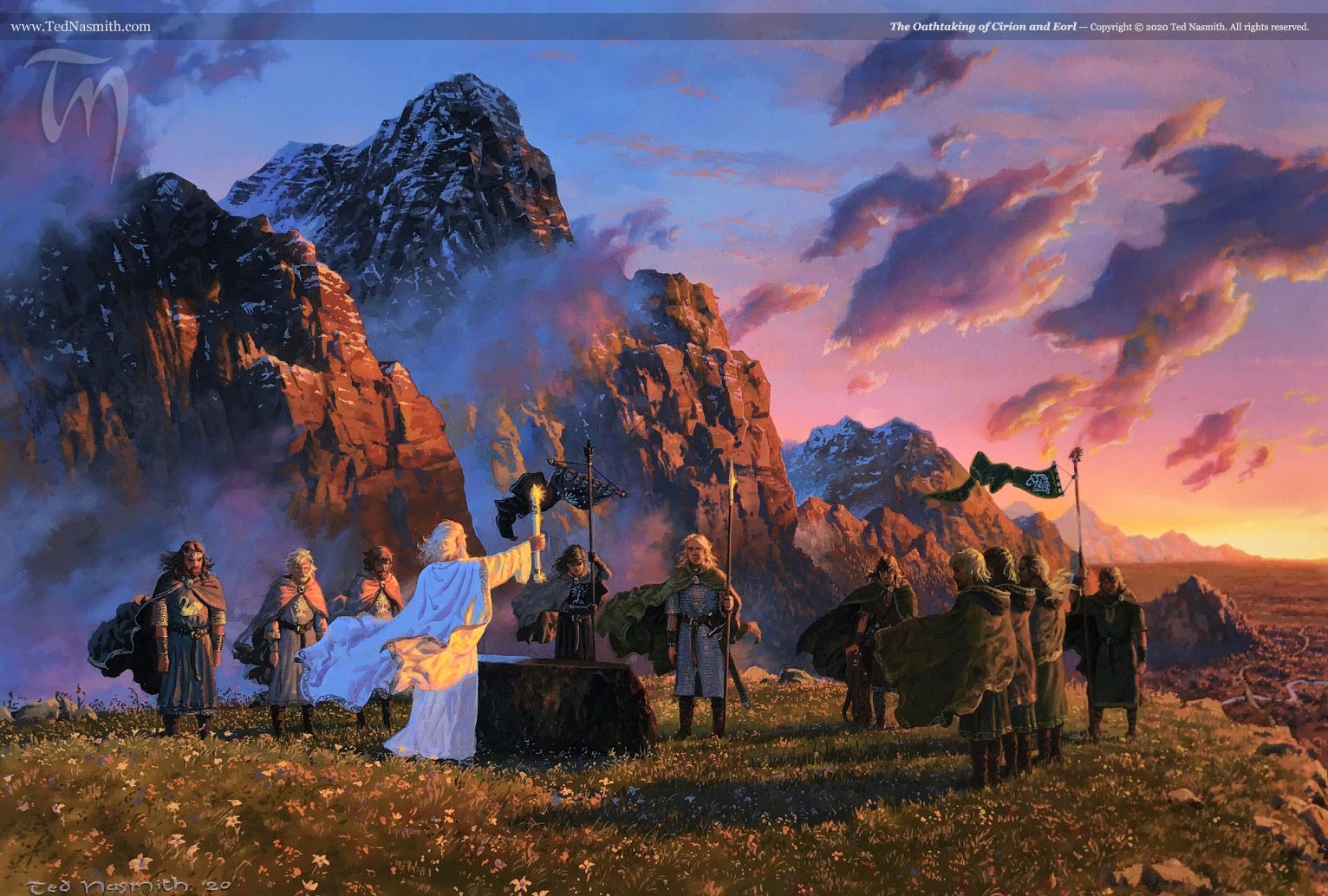
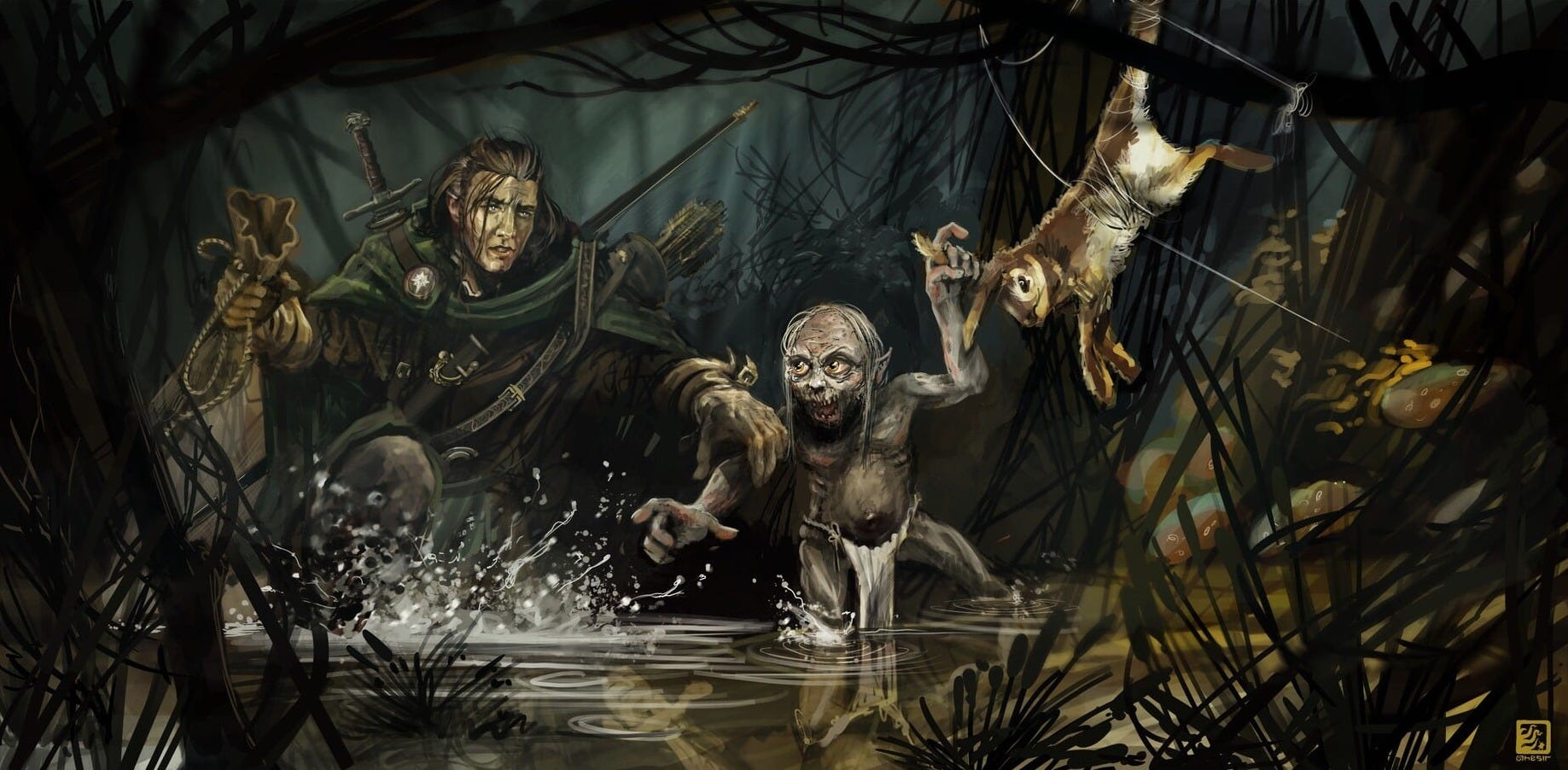
There are so many stories from the Third Age that could have been covered in any future project, that would neither have trespassed into The Silmarillion10 or into the Second Age stories that Rings of Power already has called dibs on.11 We could have had the Kin-strife, a terrible and racially-charged civil war between the half-Northman King Eldacar Vinitharya and those of Gondor obsessed with blood purity; the Angmar War, where the Witch-king destroyed the northern kingdom of Arnor but was himself defeated by an avenging host of Gondorians, Elves, Northern Dunedain, and presumably Dwarves of the Blue Mountains and Hobbits; the Battle of the Field of Celebrant, where a host of cavalry from the North under Eorl the Young saved the armies of Gondor from disaster and thus won a new home for their people that would be called Rohan; the wars between the Dwarves and Orcs and Dragons that were crucial to laying the foundations for The Hobbit; or a biopic depicting the adventures of a younger Aragorn where he first fell in love with Arwen, befriended Gandalf, traveled far into the East and South foiling the plots of Sauron, and fought for both Rohan and Gondor under the alias “Thorongil.” Heck, we’ve already seen this theory put to the test in War of the Rohirrim, an epic saga of great war and cinematic heroism; whether it worked is beyond the scope of this essay, but at least the thought and the spirit were there. What are we getting instead as our first live-action movies since 2014? On the one hand, an extended story about Gandalf and Aragorn searching for Gollum off and on during a period that lasts for 17 years mixed with a psychological study of an honestly not particularly interesting character, based on, at most, a couple of paragraphs from Fellowship of the Ring and two entries from the Tale of Years. And on the other, a story based on admittedly more material, several chapters instead of a couple of lines…but chapters that Peter Jackson himself chose, for various reasons, to cut when he adapted Fellowship into a movie in the first place.
And in the choice of these two stories…here’s where the foundational problems start coming into play. In neither case is there enough to sustain a major theatrical release here, not without massive additions and “deviations from the lore” to borrow a common turn of phrase. You know why it’s so common? Because Rings of Power is still constantly and unfairly attacked for exactly this reason, as opposed to the ironclad fidelity to the source material we all know Peter Jackson (who, remember, is only producing these movies) has exercised. But as I’ve argued before, although in theory RoP only has access to the story found in the Appendices at the end of Return of the King, in practice it also has drawn from the full breadth of the legendarium for plot points, elements of worldbuilding, and character beats; sometimes quietly, sometimes by asking the Tolkien Estate nicely on a case-by-case basis. That option simply is not available for Hunt for Gollum; not only is there not that much in the original books to go off of, there also isn’t all that much in the wider legendarium to draw from, dealing with either Gollum or more specifically his hunt for the Ring. To be sure, there is a chapter in Unfinished Tales called “The Hunt for the Ring”, and Gollum does show up there; but only briefly, because most of that chapter concerns the journey of the Black Riders after Sauron sent them forth. It’s not as severe a problem for A Shadow of the Past, there is some juicy and substantial elements in the five chapters of Fellowship missing from the movie. But what about the storyline taking place in the present day? There’s some pretty touching stuff between Elanor and her father Sam in an abandoned epilogue for Return of the King12, that could end up being homaged in the movie. But the main meat and potatoes of that storyline, the three older hobbits returning to the Barrow-downs and Elanor discovering some terrible secret, that has no counterpart in any of the books, mainline or expanded. And even if, in both cases, there was somehow material from the legendarium that could work for either of these stories to flesh them out and expand them, it’s not clear whether it could be done intelligently. After all, we’re talking about the creative team which shot, but ultimately cut, a scene in the Hobbit movies where Gandalf finds a palantir in Dol Goldur. That’s a bit much, but the fact still remains, although much (but not all) of the padding in the Hobbit movies does come from the Appendices, a lot of it was not used particularly effectively; the Ringwraiths were not buried in hidden graves in the mountains, for instance.
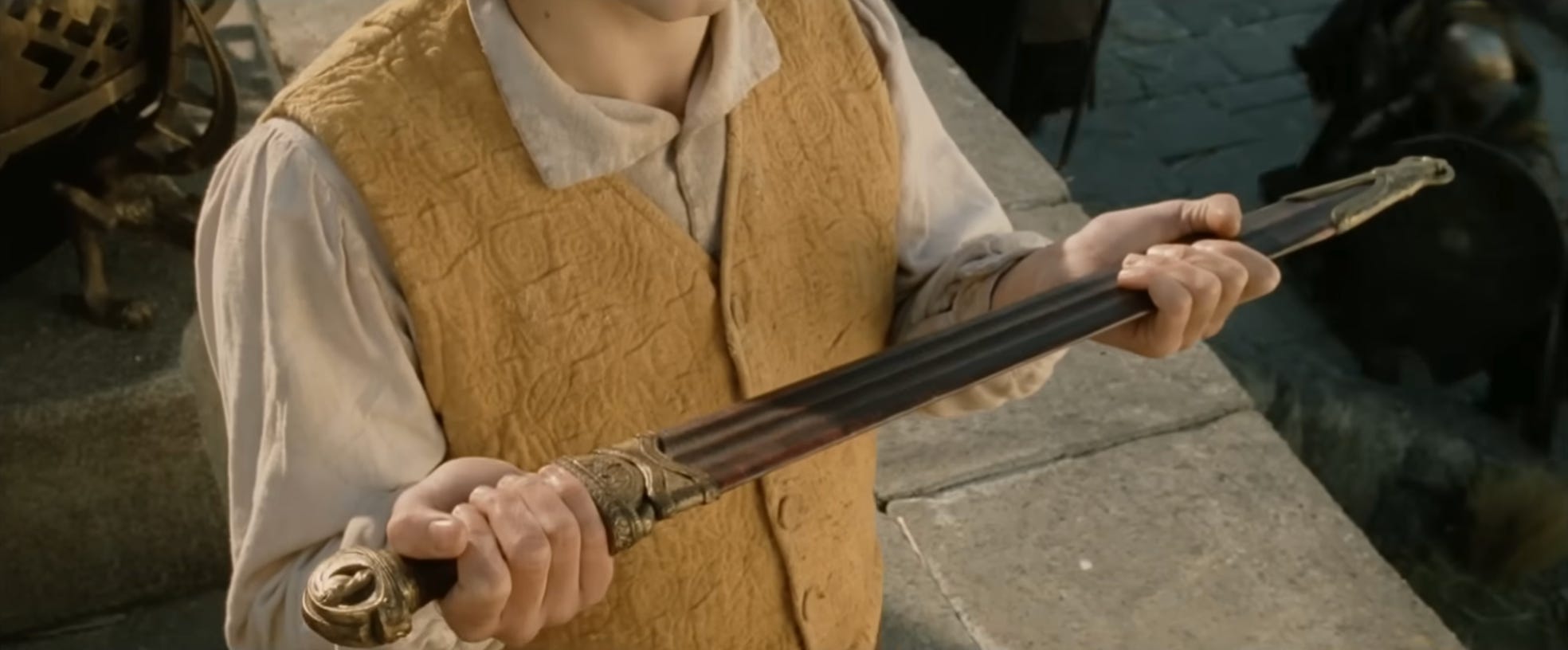
Not to mention, we have to remember neither of these movies exist in isolation, but rather squarely within the “PJ-verse” of the original movies; indeed, it’s kind of their whole gimmick. And that poses some problems with how they exist, as we know them now, within the context of the original movies, and I’m afraid they might be insurmountable. As per the Tale of Years, the hunt for Gollum lasted for nearly 17 years, from when Gandalf first suspected that Bilbo’s ring might be something much more dangerous until Aragorn finally captured Gollum. There is no indication in the original movies that 17 years elapsed between Bilbo’s party and Frodo and Sam first setting out; at most, there’s probably like a year. And in the movies, when he first returns and tells Frodo the story of what his Ring is and the two of them frantically start brainstorming, Gandalf says, “I looked everywhere for the creature Gollum, but the Enemy found him first.” We then cut to Gollum being tortured in Barad-dur. And then we don’t see him again until Moria, and the implication is that after he escaped or was set loose, he immediately headed for the Misty Mountains and got stuck in Moria. Within the context of PJ's own movies, there’s no place for an extended story about the hunt for Gollum. How is this going to fit into the PJ-verse of Tolkien subcreations? A Shadow of the Past shares some of the same problems. The timeline isn’t nearly as shrunk this time; depending on when the story set in the past happens, we’re dealing with either three months or a couple of weeks. But even with the latter, a lot happens in those few weeks, and the sequence of events is very different from what we see in the movies. There was a whole intricate scheme involving selling Bag End and moving Frodo into Crickhollow in Buckland, a meeting with a wandering company of Elves, not one but two interactions with Black Riders, a hearty supper at Farmer Maggot’s farmstead, and a whole series of unfortunate and also reinvigorating events at Crickhollow, Tom Bombadil’s house, the Old Forest, and the Barrow Downs. Culminating in the four hobbits riding into Bree like normal travelers on a journey, not running into town like hunted (and wet, since they arrive in a driving storm) rats. How exactly are we going to reconcile those two? And considering how the Barrow-downs end up paying off later with Merry’s sword, with which he hamstrings the Witch-King and allows Eowyn to deliver the killing blow, coming from them…how will A Shadow of the Past deal with the fact that the Barrow-blades are essentially written out of the original movies?13
And then there’s all the really starkly different characterizations, which are going to run afoul of how we know these characters from the movies. I’m sorry, Andy, but no matter how much you might claim the contrary, most recently on Josh Horowitz’s podcast, Gollum before he meets Frodo is probably the least complex and interesting main character in the whole legendarium. To quote a perceptive friend, “Is Gollum a totally flat character? No! We have his backstory, and I think PJ did a superb job with it in the intro to RotK. But…he’s an addict through and through, and deep addicts have a definitional flattening to their personalities, which is kind of the point of the Ring.” No wonder that the movie is also going to tell the story of Gandalf and Strider hunting for him, because a movie centered on Gollum would absolutely never work. In addition, Gandalf essentially tortures Gollum after Strider captures him, even if it ultimately is probably more like “enhanced interrogation,” the threat of physical violence rather than said violence itself; meanwhile Strider absolutely goes beyond simply forgoing kid gloves himself. Merry and Pippin, somewhat character assassinated in the movies as lovable idiots who stumbled into the quest by accident, are highly intelligent and bold schemers who find out what Frodo’s mission is almost immediately and resolve to accompany him to the bitter end. Farmer Maggot isn’t just a yelling sickle, but an actual character who essentially tells a Black Rider to his face to get stuffed. The Elves met in the Shire aren’t just a distant apparition, but actually sassy and merry kings led by a wise elder called Gildor Inglorian, with whom Frodo is also much sassier than we’d expect him to be from the movies. Will we be able to look at these characters from the movies in the same way, or will we either completely ignore
Honestly, I do think I at least partially understand why these movies are being made and these stories are being told. Nostalgia is a powerful drug. It’s at least part of why Peter Jackson was called in to direct the Hobbit movies at the last minute, after so much of the preparatory work had already been done by Guilliermo del Toro. It’s a big part of why so many people hate on Rings of Power in bad faith, because it’s not like the movies; as I am all too familiar with, Morfydd Clark’s Galadriel is hated in no small measure because she’s not a carbon copy of Cate Blanchett’s. And it’s probably at least part of why War of the Rohirrim ended up bombing for general audiences; despite being clearly set within the PJ-verse, not a single character, through whose eyes we are to experience the story, is one we know from the movies. Just like how Eldacar, Castamir, Arvedui, Aranarth, Earnil II, Earnur, Cirdan14, Glorfindel, Eorl, or Cirion are all characters who we’ve never met before, unless you’ve played any of the online games like LOTRO or Battle for Middle-earth; asking a more casual audience to accept these newcomers as our guides in stories that are set in the PJ-verse is going to be a hard sell. But there were still a couple of ways that WB could have had its cake and eaten it too, and given us both a healthy dose of nostalgia bait and also a properly cinematic story. Why not have a proper War of the North movie? We could have had a story that was actually crucial to final victory, since the armies that attacked Mirkwood, Lorien, and Dale were not used against Gondor; no less than three major battles in those location, actually three against Lorien alone; a properly large role for fan-favorite Thranduil rather than just the cameo he will probably end up getting; perhaps even the chance to bring back Cate, Marton Csokas, and Bill Connolly as Dain Ironfoot. Or if we had that young Aragorn movie, we could have had Viggo and Liv Tyler return as narrators, while whichever younger actor, such as Jamie Dornan, embarks on big journeys, fights in great battles such as a daring attack on the Corsairs of Umbar, and meets and romances Arwen for the first time. So…why aren’t we getting those stories? Young Aragorn is flat out because Peter Jackson advised against it; what he was smoking when he did that, I have no idea. As for a War in the North movie…I believe it ultimately comes down to money.
Battles are expensive to film, and so too would be recreating even a fraction of the practical sets for Minas Tirith and Lorien; even using extensive CGI, as was the case for Thranduil’s halls and Erebor in the Hobbit movies, would probably cost a lot. It’s probably at least part of why War of the Rohirrim ended up being an anime; the sets for Edoras and Helm’s Deep were torn down as soon as their stories were done (the location for the latter ended up being used for Minas Tirith, actually), and using CGI to enhance whatever limited set was built would have immediately triggered people’s spidey senses. But it’s a problem that goes beyond the LOTR IP, it’s touched many of WB’s other IPs as well. Most infamously, House of the Dragon Season 2 was unceremoniously shrunk from 10 episodes down to 8 at the last second, almost certainly for financial reasons; and even for the smaller-scale-by-design A Knight of the Seven Kingdoms, showrunner Ira Parker has spoken about how he and his team had a fairly small budget for an HBO show, something they had to work around creatively. Warner Bros. is currently $32 billion in debt, hence why they are currently in the process of selling themselves out to Paramount. There may well not be enough money for a properly epic movie, at least as far as WB is concerned. An argument, which, as I type this, I realize rings a bit hollow since later this year, the probably hugely expensive Supergirl and Dune 3 will be released by Warner Bros. And I have no problem with either of them being as expensive as they probably are, and I hope they recoup their budgets.
But why not give a Tolkien movie the budget it deserves? It really feels that, for whatever reason, WB doesn’t trust its own IP, so is making essentially TV-scale adventures which can allow them to use whichever of the original cast is still ready and willing, dressing them up as movies for a smaller budget than a Tolkien project deserves, and expecting nostalgia for the original films to be enough to draw a crowd. I, for one, do not appreciate being treated as a cheap date, and neither to I appreciate how the legacy of one of the most influential film trilogies of all time is being squandered. And I feel so sad about how WB is setting up so many fans for disappointment. Again and again, when Lee was first announced to be returning, I saw people who were on the fence suddenly leap onto the movie’s side; I hope they won’t be too upset when, almost certainly, he ends up being a cameo. And while ultimately it’s our responsibility to accept that the magic of the original movies will never return (the exact same creative team failed to replicate it in the Hobbit movies, WB is not doing nearly enough to cushion the blow when we are all cruelly reminded of it.
That was…at lot. Honestly way more than I thought I’d be writing when I first started taking notes in May of 2024, when the news of Hunt for Gollum first broke. I guess a lot of thoughts, two years, and two announced projects would do that.
I’m not great with endings; I’ve noticed that for sure, as I’ve resumed writing long-form content after a long hiatus. So let’s see if I can land this plane. What have you all learned about my attitude towards The Hunt for Gollum and A Shadow of the Past? Hopefully, that it’s a lot more serious and thought out than my usual snarky dismissal of the former project on social media (for those who follow me there) as The Hunt for Nostalgia/Gollum Eating Babies. I have serious, and I believe well thought-out, concerns, about nearly every aspect of these projects. But I am NOT one of those people you might encounter on Twitter and Youtube who catastrophizes about how the movies are “ruined”, the way the Star Wars sequels “ruined” the original trilogy, for instance; or how the books are ruined and Tolkien is turning in his grave like he was for Rings of Power. The potential is there, but at this point it’s just potential, we don’t know nearly enough about either movie to make that sort of judgement; and Tolkien is physically incapable of turning in his grave, to say nothing of how WB is too boring and unimaginative to do any sort of serious damage to his legacy. I hope my concerns are proven misplaced. I want to be proven wrong, and I want the live-action return of Tolkien to the big screen to go well; after all, if these movies do well, maybe WB will reconsider its approach and actually give us those cinematic stories I want to see. Only time can tell, time and actually seeing the finished projects for ourselves.
Until then, here are a few final points:
We can absolutely get excited for Rings of Power Season 3, which will finally be hitting our small screens (and the pilot will probably get a theatrical release, as the pilots for the other two seasons have) later this year; long rumored and believed, it was officially confirmed late last month.
There’s quite a solid 39 minute fan film called…The Hunt for Gollum, made in 2009 and currently available on Youtube (when the big movie was announced, the small one did end up getting copyright struck for like a week, until justifiable outrage caused Youtube to lift the restrictions). It’s a good depiction of this story, both how it can be put to film and the dangers and pitfalls that Andy Serkis and team will have to navigate as they turn this into a 2 hour “epic.”
I cannot praise The Siege of Jadotville enough. I rewatched it while writing this essay, and it is SO GOOD. Be sure to check it out on Netflix.
For Future Reference
Ben Child, “The Hunt for Gollum looks like a step too far for the endless Lord of the Rings franchise”
Josh Horowitz, “Andy Serkis on LORD OF THE RINGS, THE HUNT FOR GOLLUM, ANIMAL FARM, THE BATMAN, STAR WARS”
J. R. R. Jolkien, “New LOTR Movie “The Hunt for Gollum” Coming in 2026”
Kendell Meyers, “The Lord of the Rings Franchise Needs to Move Past the Same Stories.”
Aidan Pocock, “What the Next LOTR Movie SHOULD Be”
Simple History, “The Siege of Jadotville (155 Irish soldiers VS 4,000 Katangese troops)”
Dr. Thomas J. West, “‘The Hunt for Gollum’ and the Stranglehold of Nostalgia”
March 25, the day that the One Ring was destroyed, historically also the Feast of the Annunciation, has been observed as an informal holiday ever since the Tolkien Society started the custom in 2003.
As a Catholic, I of course believe Christ is SO MUCH MORE than just a titanic cultural figure; I believe, as did Tolkien, that he is the Son of God. But the central point I’m making here stands. Jonathan Roumie, Jim Caveziel, Robert Powell, and Max von Sydow all have earned the right to portray Him, and which one we prefer is more a matter of personal taste than dogma.
As Rings of Power Season 2 showed us, the Stoors, unusual for Halflings, are a matriarchal society where elder women can be community leaders; and even into the Third Age, the Stoors maintained their old customs and, to an extent, were still seen by more settled Hobbits as something of a “breed apart.”
Before taking on this role, a great many of Morfydd’s other roles, in films like Interlude in Prague, Eternal Beauty, and her breakout performance in Saint Maud, have been tragic characters and victims, very different from the strong and heroic Galadriel. Morfydd herself touched upon this in an interview with the LA Times: “In the past, my characters have often been abused and killed in stuff, which I enjoyed playing. But it was very liberating to play someone who wasn’t physically afraid. I am often quite physically afraid, so to take those holidays in her universe where she is so powerful was good for me as a person as well as an actress...I’ve played a lot of characters who don’t end up happy, and it’s nice playing her knowing that she will, in the end, find peace.”
As Tolkien himself described it in Letter 142 to Father Robert Murray. And my second point is well illustrated by this interview that RoP showrunners JD Payne and Patrick McCay gave to Catholic Answers back in fall of 2024.
I catastrophize a bit. No AI was used for this little stunt, rather unused pre-existing recordings of Christopher Lee’s actual voice from the Hobbit movies; and Lee’s widow gave her blessing to the bit. But I still think it was a dumb decision; restricting themselves to just a few lines, in an animated movie where Charles Dance or somebody else could easily have done the role, ended up boxing in Saruman into a miniscule role rather than a slightly larger one, story permitting. And give an inch, and they’ll take a mile. We literally had TheOneRing.net ask the really WEIRD question on social media about whether AI should be used to bring back Christopher Lee for future projects; rightfully there was a great deal of pushback.
Thankfully this did not work, and as I’ve observed many times, RoP more than held its own against House of the Dragon. Eventually, given Amazon’s honestly clumsy marketing campaign, WB had no choice but to release Season 2 two months before RoP premiered its Season 2, so the two never clashed head-to-head again. Honestly, that was a good thing for House of Dragon, which had more than its share of problems in Season 2.
Jess has stated outright, in a video comparing the book and movie versions of Galadriel, that she doesn’t want to touch RoP with a 10-foot pole on account of audience backlash; this comes AFTER a few videos where she talked positively about Season 1. Although that didn’t stop her from taking a veiled swipe at the show’s haterz in a later video talking about John Boorman’s fever-dream script for a prospective Lord of the Rings movie of his own (thankfully it never materialized, and Boorman went for Excalibur instead).
A not-exhaustive list would include Simon Tolkien, Tom Shippey, Corey Olsen, Maggie Parke, JD Payne, Patrick McCay, Holly Ordway, John Garth, Brian Sibley, Verliyn Flieger, Morfydd Clark, Lloyd Owen, Robert Aramayo, Kaitlyn Facista, Alan Sisto, and Joseph Pearce.
The Tolkien Estate is still hanging the rights for those with a death grip and will not release them for love or money; almost certainly not to Warner Bros., not after Christopher had to sue them at one point for unpaid royalties. Even Rings of Power, when it references the wider legendarium, has to do so on a case-by-case basis, and has to ask the Estate for permission each time.
Since Amazon is telling a Second Age story, WB can’t legally touch that time period unless it goes completely off the beaten path.
We can find this in Chapter XI of Sauron Defeated, the ninth volume of The History of Middle-earth.
In the movies, Strider essentially gives the four hobbits four long daggers of no particular significance at Weathertop; Frodo loses his almost immediately, Sam hangs onto his until Cirith Ungol, and Merry and Pippin lose theirs at Amon Hen, hence why they need new swords, again of no particular magical significance, from Rohan and Gondor respectively.
We did meet Cirdan in Rings of Power, played by Ben Daniels, and he was very nearly perfect. But he’s like in a single second of Fellowship when the Three Rings are first given to the Elves, so it really doesn’t count for the movies.
To be fair, I was worried that RoP would be a similar hunt for nostalgia/money - Amazon determined to be the one to fill in the fantasy TV-making void left by GoT, for example - and, of course, I was very pleasantly surprised when S1 actually aired.
McKellen is famously a kind person. In my opinion, his comments were more likely focused on trying to keep his role in the new film, mere months after his terrible fall.
I'm neither hugely excited nor deeply concerned about the new films. Most of my emotional investment in LOTR right now is whether or not Celeborn's ever going to be in RoP 😂